Who Does Not Love Mango in Summer?
Summer in India means mangoes. The whole house smells of them, someone is always cutting one after lunch, and a tall glass of mango shake is the best thing on a hot afternoon. If you have diabetes, though, mango season comes with a quiet worry. Everyone around you is enjoying it, and you are wondering if one glass will wreck your sugar for the day.
Here is the good news. Mango is not the villain. The problem is how most of us drink it: too much fruit, two or three spoons of sugar, sometimes a scoop of ice cream on top. Change those things and you can have your shake too. This mango shake recipe uses a measured amount of fresh mango, chia seeds, almonds and pistachios, and a zero GI sweetener. The whole glass has a total EGL of 10.3, and we show you exactly where every bit of that number comes from.
Can Diabetics Eat Mango? What the Glycemic Index Really Says
Yes, most diabetics can eat mango in the right amount. The mango glycemic index sits around 51 to 56, which is in the low to medium range. That is lower than white rice, white bread and many packaged snacks. Mango also brings fibre, vitamin C, vitamin A and antioxidants, so it is not empty sugar.
What actually decides your blood sugar rise is not the GI alone but the glucose load, which depends on how much you eat. One small bowl is very different from two whole mangoes. That is why portion is the first rule for any mango diabetes patient.
| Mango Fact | What It Means for Diabetics |
|---|---|
| Glycemic index around 51 to 56 | Low to medium GI, not a banned fruit |
| Riper mango = more sugar | Pick firm-ripe, not overripe mangoes |
| Juice and pulp lose fibre | Whole fresh mango is better than pulp or juice |
| Portion decides the load | Around 80 to 100 g at a time is the safe zone |
| Pairing matters | Protein, fat and fibre slow the sugar rise |
Can a diabetic eat mango daily?
A lot of people ask can diabetic eat mango daily. For most people with reasonably controlled diabetes, a small portion of around 80 to 100 grams a day during the season is fine, as long as it replaces another carb in that meal rather than being added on top. If your sugar is not under control yet, keep it to a few times a week and check your reading two hours after.
Why a Regular Mango Shake Spikes Blood Sugar
The usual mango shake from home or a juice shop has three problems. First, it uses a lot of mango, often a whole fruit or more per glass, or canned pulp. Second, it adds sugar, and sometimes ice cream. Third, once you blend fruit into a drink, you can drink it very fast, so the sugar arrives in your blood all at once.
So is mango shake good for health? The regular version is a dessert in a glass. The version below is different because it fixes each of those three problems.
| Regular Mango Shake | Diabexy Low GL Mango Shake | |
|---|---|---|
| Mango | 1 to 2 whole mangoes or pulp | 80 g fresh mango only |
| Sweetener | 2 to 3 spoons sugar, often ice cream | Sweetnil drops (zero GI) |
| Fibre and protein | Very low | Chia, almonds, pistachios |
| Effect on sugar | Fast, sharp spike | Slower, smaller rise |
| Total EGL | High | 10.3 |
Ingredients and EGL Breakdown
This is the part you will not find on other recipe pages. Here is every ingredient with its exact contribution to the total EGL, so you know precisely what you are drinking.
| Ingredient | Quantity | EGL |
|---|---|---|
| Ripe mango, chopped | 80 g | 7.43 |
| Chilled toned milk (or unsweetened almond milk) | 100 ml | 1.90 |
| Chia seeds (soaked) | 12 g | 0.24 |
| Almonds, chopped | 15 g | 0.16 |
| Pistachios, chopped | 8 g | 0.60 |
| Cardamom powder | A pinch | 0 |
| Saffron (kesar) | A few strands | 0 |
| Diabexy Sweetnil Drops | 1 to 2 drops | 0 |
| Total | 295 g | 10.3 |
Notice that the mango does most of the work at 7.43, while milk adds 1.90 and the chia, almonds and pistachios together add only about 1. The sweetener adds nothing. That is why we measure the mango and never add sugar.
How to Make Low GL Mango Shake: Step by Step
Takes about 15 minutes, most of which is just waiting for the chia seeds to soak.
Step 1: Soak the chia seeds first
Put 12 grams of chia seeds in a small bowl with a little water and leave them for about 10 minutes. They swell up and turn jelly-like. Starting with this step means they are ready by the time your shake is blended.

Step 2: Cut 80 grams of ripe mango
Peel a ripe but firm mango and cut 80 grams into small cubes. Weigh it if you can. A kitchen scale makes the biggest difference in this recipe, because the mango decides most of the glucose load.

Step 3: Add the mango to the blender
Put the mango cubes into a blender jar.

Step 4: Pour in chilled milk
Add 100 ml of chilled toned milk. If you prefer, use unsweetened almond milk for an even lighter shake. Chilled milk means you do not need ice, which would water down the taste.

Step 5: Add cardamom and saffron
Add a pinch of cardamom powder and a few strands of saffron. They make the shake smell and taste richer, so you need less sweetness.

Step 6: Blend until silky
Blend until the shake is completely smooth, creamy and silky, with no mango bits left.

Step 7: Stir in the soaked chia
Add the soaked chia seeds to the shake and stir with a spoon. Do not blend them, you want the little pearls to stay whole. Chia adds fibre, which slows down how fast the mango sugar reaches your blood.

Step 8: Chop the nuts
Finely chop 15 grams of almonds and 8 grams of pistachios.

Step 9: Pour and garnish
Pour the chilled shake into a serving glass and top it with the chopped almonds and pistachios. The nuts add crunch, protein and healthy fat, which further soften the sugar rise.

Step 10: Sweeten lightly with Sweetnil
Taste it first. A ripe mango is often sweet enough. If you want it a little sweeter, add just 1 to 2 drops of Diabexy Sweetnil Drops and stir. Your low GL mango shake is ready.

The only sweetener in this shake. Zero glycemic index, zero calories, and just 1 to 2 drops is enough for a whole glass. Use it in shakes, chai, coffee, lassi and desserts instead of sugar.
Buy here: diabexy.com/products/diabexy-sugar-free-drops-sugarfree-sweetener

Mango Shake Calories: Regular vs This Version
People also search for mango shake calories a lot, so here is the simple picture. A regular sweetened mango milkshake, especially one with ice cream, can easily cross 250 to 300 calories per glass because of the added sugar and cream. This version has no added sugar or ice cream, so the calories come only from the fruit, milk, chia and nuts, roughly in the 230 to 260 range for the full 295 gram glass. Most of those calories come with protein, fibre and healthy fats instead of plain sugar.
If you are tracking calories in mango shake without sugar, switching to unsweetened almond milk cuts it further, and you can halve the nuts if you are watching weight closely.
Mango Shake Benefits When You Make It This Way
Real mango shake benefits show up only when the shake is not loaded with sugar:
- Vitamins A and C: Mango is rich in both, supporting immunity, skin and eyes.
- Fibre from chia: Slows sugar absorption and keeps you full.
- Protein and good fats: From milk, almonds and pistachios, which steady the blood sugar response.
- Cooling summer drink: Satisfies the mango craving so you are less likely to overeat the fruit later.
Smart Tips for Diabetics Drinking Mango Shake
- Drink it as a snack, not after a heavy meal: Mid-morning or mid-afternoon is best, not right after rice and roti.
- One glass, sip slowly: Take 10 to 15 minutes to finish it.
- Avoid pulp, juice and ice cream: Fresh mango only.
- Do not add banana: Many recipes add banana, which piles on more glucose load.
- Walk after: A 10 minute walk helps your muscles use the sugar.
- Check your reading: Test two hours after the first time you try it to see how your body responds.
Can we drink mango shake at night?
A common question is can we drink mango shake at night. For diabetics it is better not to. Your body handles glucose less efficiently late in the evening, and a sweet drink before bed can push up your fasting sugar the next morning. Have it earlier in the day instead.
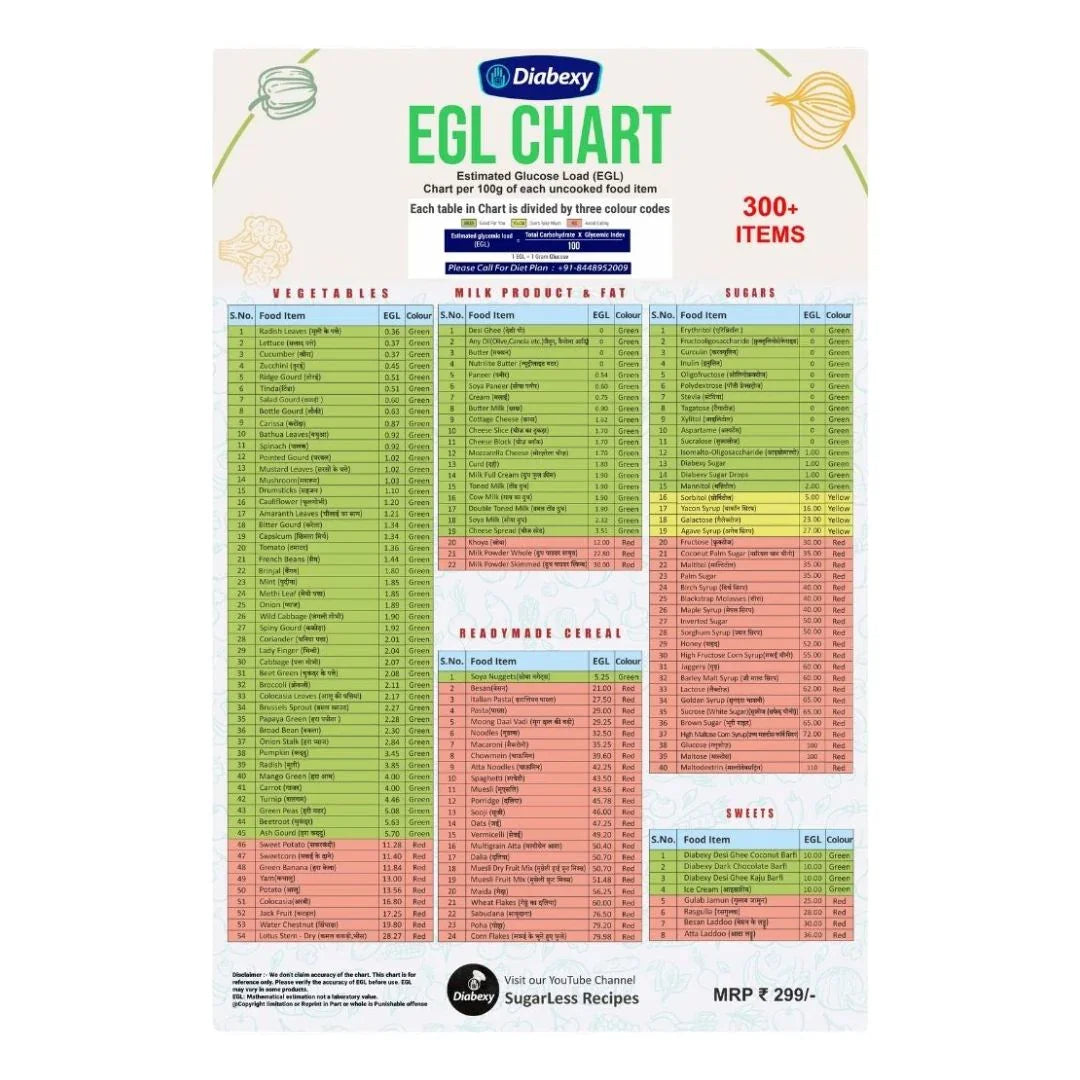
Want to know the glucose load of other fruits and summer foods? The Diabexy Estimated Glucose Load Chart covers 300+ Indian foods so you can plan treats like this without guessing.
Buy here: diabexy.com/products/egl-chart-download

Diabexy is India's number one diabetes education platform, trusted by more than 2 million people. Diabexy makes India's first low glycemic load foods, including Sugar Control Atta, India's first atta backed by published clinical evidence, and Sweetnil zero GI sweetener drops. Our mission is to eradicate diabetes from India the way polio was eradicated, through the right knowledge and the right food. Visit diabexy.com.
Frequently Asked Questions
Yes, diabetics can drink mango shake if it is made with a measured portion of fresh mango, no added sugar and some fibre and protein. This recipe uses 80 grams of mango, chia seeds, almonds, pistachios and Sweetnil drops, and has a total EGL of 10.3. A regular mango shake with extra mango, sugar or ice cream has a much higher glucose load and is best avoided.
The glycemic index of mango is around 51 to 56, which is low to medium. Riper mangoes have more sugar and a slightly higher GI, so firm-ripe mangoes are a better choice. More important than GI is the portion, because the glucose load rises with every extra gram of mango you eat.
Most people with controlled diabetes can have around 80 to 100 grams of fresh mango a day during the season, ideally as a snack and in place of another carb. That is about half a medium mango. If your sugar is not well controlled, have it a few times a week and check your blood sugar two hours later.
A regular mango shake with sugar and ice cream is not good for weight loss. This low GL version is a better fit because it has no added sugar, a measured portion of fruit, and protein and fibre that keep you full. For weight loss, use unsweetened almond milk and keep the nuts to a small sprinkle.
A mango shake without sugar made with 80 grams of mango, 100 ml toned milk, 12 grams of chia seeds and a small amount of almonds and pistachios has roughly 230 to 260 calories for the full glass. Using unsweetened almond milk instead of toned milk lowers it further. A regular sweetened mango shake with ice cream can easily cross 300 calories.
It is better not to drink mango shake at night if you have diabetes. Blood sugar handling is weaker late in the evening, and a sweet drink before bed can raise your fasting reading the next morning. Mid-morning or mid-afternoon is the best time to have it.
A zero glycemic index sweetener is the safest choice. Diabexy Sweetnil Drops have zero GI and zero calories, and 1 to 2 drops are enough for one glass. Avoid sugar, jaggery, honey and dates, which all add significant glucose load. Often a ripe mango is sweet enough on its own, so taste before adding anything.
Watch the Full Recipe Video
See the full mango shake recipe on the Diabexy YouTube channel:
Watch here: https://youtu.be/sOWSZH5a7sE
Total EGL 10.3 per glass. Diabetic friendly. Family friendly.